
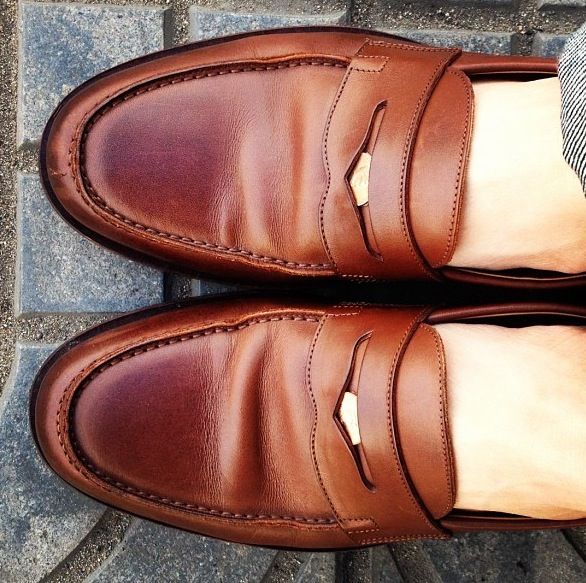
Two Dollars of History in $300 Loafers
I started wearing Allen Edmonds in the 1990s because they were American-made, exceptionally well built, and designed to be repaired instead of discarded. I still own three pairs: a wingtip and two loafers, one classic and one modern. Roughly every ten years, a tired pair checks into the Allen Edmonds factory for “rehab.” For around a hundred dollars historically, it comes home with rebuilt soles and heels, fresh cork, polished leather, and the posture of a shoe insisting it has changed.
The penny loafers carry something extra. In the slots sit two genuine wheat pennies, dated 1926 and 1910. The dates are a family code: 1926 contains 2 and 6 for two children born in February and June, while 1910 carries 10 for October. Three birth months, hidden in two shoes.
People notice the 1910 penny and assume it must have cost a fortune.
“Yep,” I tell them. “About two hundred times face value.”
That sounds museum-expensive until the arithmetic arrives: two dollars.
I bought the last set in an old coin shop in the old gold-rush town of Deadwood, South Dakota, across Main Street from the grand old Bullock Hotel. A century-old penny purchased in a century-old town now rides in an American-made loafer that costs about $300 today. The copper is inexpensive, authentic to the penny-loafer tradition, beautifully aged against polished leather, and impossible to replace with a designer logo because the real value is the story.